Our Best Selling Product Order Now.

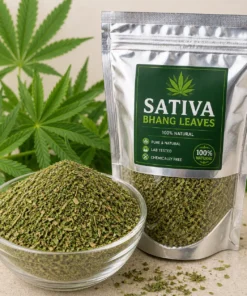
About Bhang
Traditional Uses, Cultural Heritage & What You Should Know
Bhang has a long history in South Asian culture and is traditionally associated with festivals, regional customs, and certain traditional practices. Made from parts of the cannabis plant, bhang has been used in various forms for generations, particularly in parts of India.
What Is Bhang?
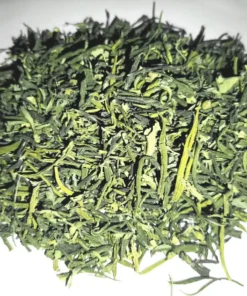
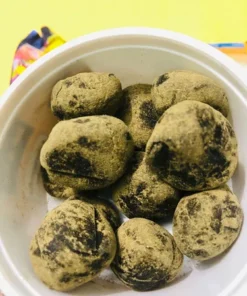
Bhang traditionally refers to preparations made using cannabis leaves and other plant material. It may be prepared in different forms depending on regional customs, including drinks and edible preparations.
Because cannabis products can contain psychoactive cannabinoids, the effects can vary depending on the preparation, amount consumed, and individual factors.
Bhang in Indian Culture
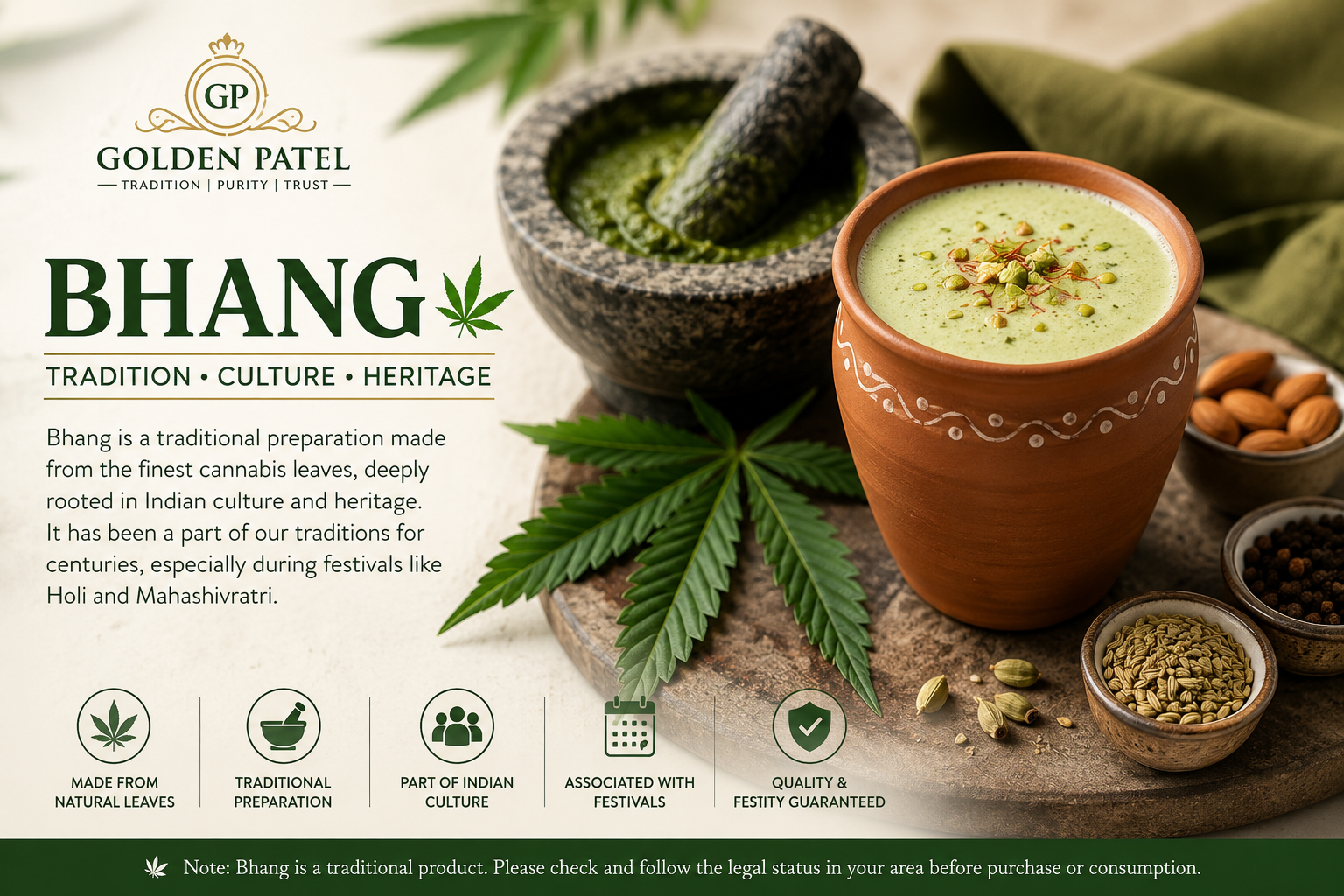
Bhang is particularly well known for its association with Holi and Mahashivratri. In some communities, traditional bhang preparations are part of celebrations and cultural practices.
Its history is closely connected with India’s traditional relationship with cannabis, although laws and social attitudes surrounding cannabis products vary considerably across regions.
Traditional Bhang Preparations
Traditional preparations may include ingredients such as:
Cannabis leaves
Milk or other beverages
Nuts and seeds
Spices
Sugar or other sweeteners
Recipes differ significantly by region and tradition. Some preparations are consumed as beverages, while others may be incorporated into traditional foods.
Effects and Responsible Use
Bhang can produce psychoactive effects, including changes in perception, mood, coordination, and alertness. The effects may take time to appear when cannabis is consumed orally and can last for several hours.
Anyone considering a cannabis-containing product should understand the applicable laws in their location and follow the product’s labeling and safety instructions. It should not be combined with alcohol or other intoxicating substances, and people should avoid driving or operating machinery after consuming psychoactive cannabis products.
Bhang and Modern Interest
Today, interest in bhang extends beyond its traditional cultural background. People may search for information about its history, preparation methods, cultural significance, and different traditional forms.
However, it is important to distinguish traditional or cultural information from medical claims. Bhang should not be presented as a treatment or cure for a disease without appropriate scientific evidence and legal authorization.
Final Thoughts
Bhang represents an interesting part of India’s cultural and botanical history. Understanding its traditional background, regional variations, effects, and legal status can help consumers make informed and responsible decisions.
Note: Cannabis laws differ by country and by state or region in India. Always check the current laws applicable to your location before purchasing, possessing, preparing, or consuming cannabis-derived products.
Bhang FAQ – Questions & Answers
1. What is Bhang?
Bhang is a traditional preparation associated with cannabis leaves and has a long history in Indian culture. It is particularly known for its connection with festivals such as Holi and Mahashivratri.
2. What is Bhang traditionally made from?
Traditional Bhang preparations are generally made using cannabis leaves along with ingredients such as milk, nuts, seeds, spices, and sweeteners, depending on the regional recipe.
3. What is the history of Bhang in India?
Bhang has been associated with Indian cultural and traditional practices for centuries. Different regions have developed their own preparations and customs surrounding it.
4. Why is Bhang associated with Holi?
Bhang has traditionally been consumed in some communities during Holi celebrations and has become part of the cultural traditions associated with the festival.
5. Is Bhang associated with Mahashivratri?
Yes. Bhang is traditionally associated with Mahashivratri in some parts of India and is connected with cultural and religious traditions surrounding the festival.
6. What are the traditional forms of Bhang?
Bhang can traditionally be prepared in different forms, including beverages and edible preparations. The ingredients and preparation methods vary by region.
7. What ingredients are commonly used in traditional Bhang preparations?
Depending on the recipe, ingredients may include milk, nuts, seeds, spices, sugar, and cannabis leaves.
8. How long does Bhang take to produce effects?
When cannabis-containing preparations are consumed orally, effects may take longer to appear than inhaled cannabis. The timing can vary considerably between individuals and products.
9. How long can the effects of Bhang last?
The duration can vary depending on the preparation, amount consumed, and individual factors. Psychoactive effects may last for several hours.
10. Is Bhang legal in India?
The legal status of Bhang can vary depending on the specific product and state or local regulations. Always check the current laws applicable to your location before purchasing or consuming it.
11. Can Bhang be purchased online in India?
Online availability depends on the product, seller, and applicable laws. Customers should verify that the product and transaction comply with all relevant regulations.
12. What should I check before purchasing a Bhang product?
Check the product information, ingredients, manufacturer or seller details, labeling, applicable legal requirements, and any relevant usage or safety instructions.
13. How should Bhang products be stored?
Follow the storage instructions provided on the product packaging. Generally, products should be kept in a suitable, dry location and stored securely away from children.
14. What is the difference between Bhang and other cannabis preparations?
Bhang traditionally refers to preparations associated primarily with cannabis leaves, while other cannabis preparations may use different parts of the plant and have different forms, compositions, and legal classifications.
15. Is Bhang part of Indian cultural heritage?
Yes. Bhang has a longstanding association with Indian cultural traditions, regional customs, and certain festivals.
16. Can everyone consume Bhang?
No. Cannabis-containing products are not suitable for everyone. People should consider applicable laws, product warnings, age restrictions, and individual circumstances before consumption.
17. Are there age restrictions for Bhang products?
Age requirements can depend on the applicable laws and the specific product. Buyers should verify the current regulations in their state or region.
18. Can Bhang be mixed with alcohol?
It is best to avoid combining Bhang or other psychoactive cannabis products with alcohol or other intoxicating substances because their effects may be unpredictable or stronger when combined.
19. Why should I check local laws before purchasing Bhang?
Cannabis-related laws can differ between countries, states, and regions. Checking the current local regulations helps ensure that purchasing, possessing, or consuming a product is lawful.
20. Where can I learn more about Bhang?
You can learn more by researching its traditional history, cultural significance, preparation methods, product information, and the current laws applicable to your location.